 JEERA KATHI
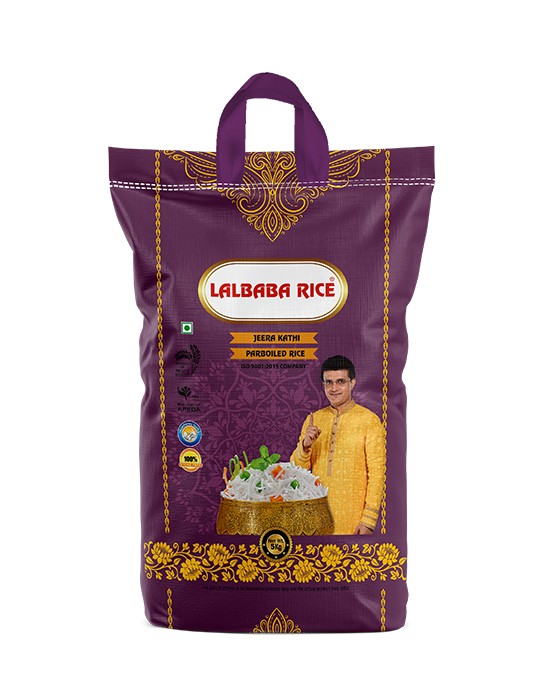 LALBABA JEERA KATHI
 Basmati
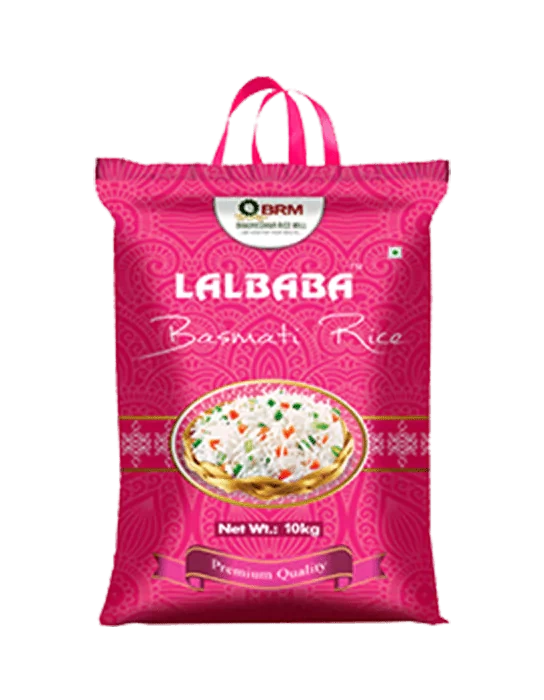 Lalbaba Basmati Sella
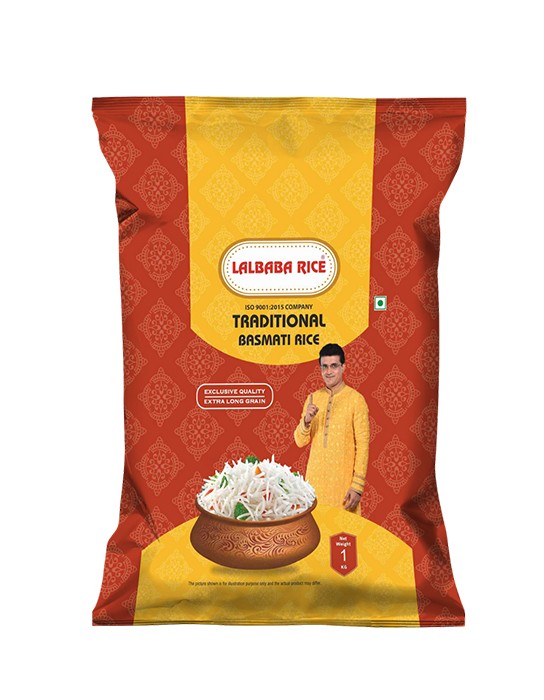 Lalbaba Basmati Steam
 Gobindo Bhog
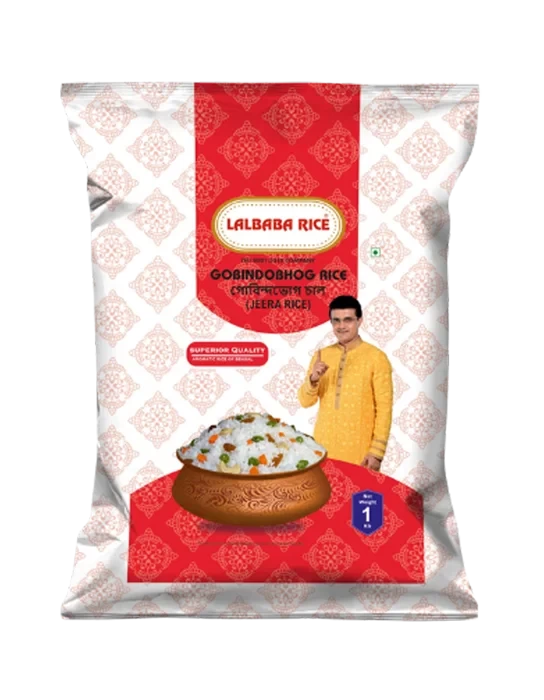 Lalbaba Gobindo Bhog
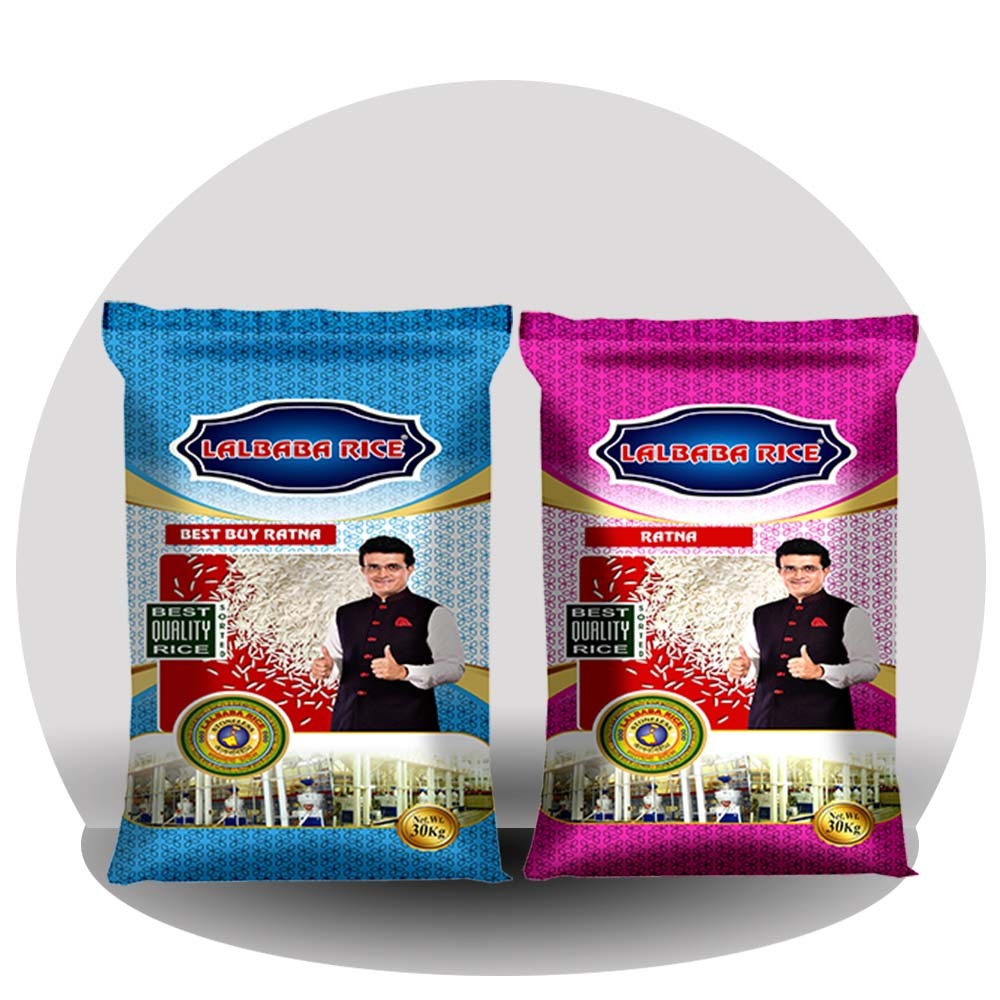 Ratna
Ratna Lalbaba Superior Ratna
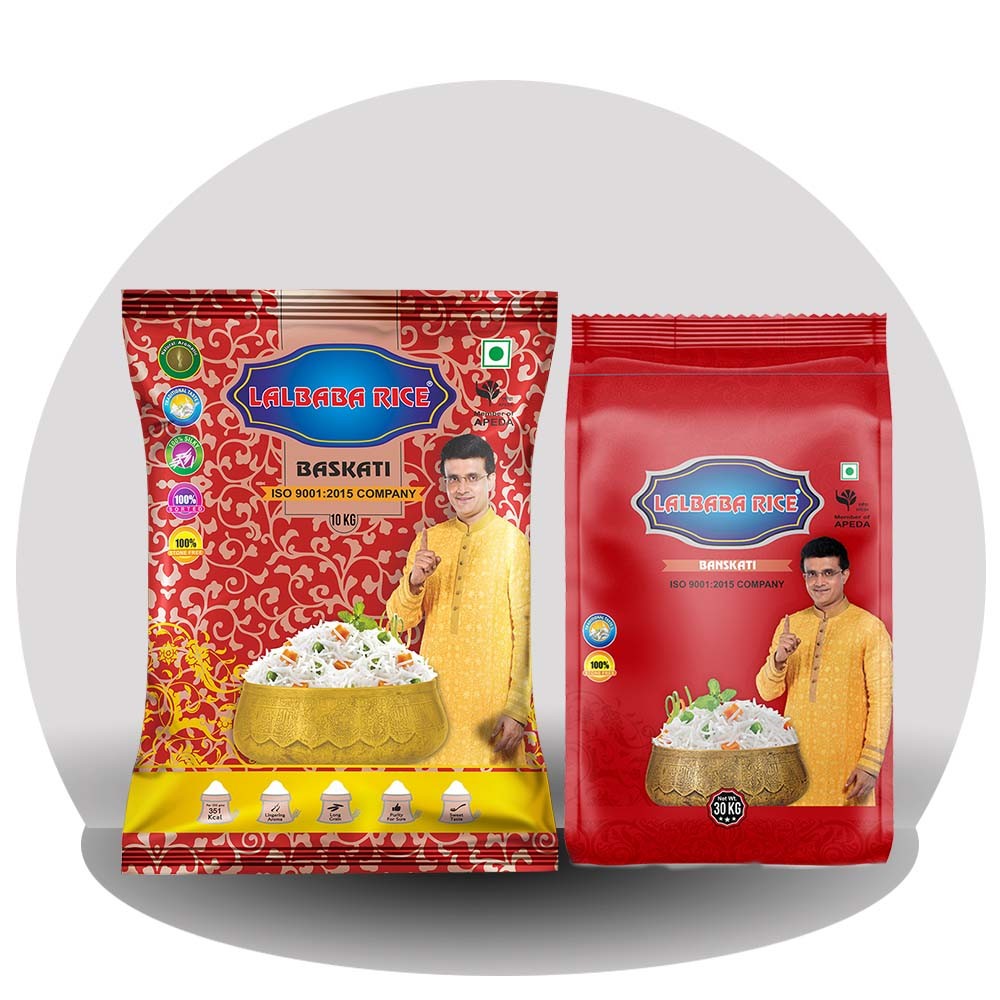 Banskathi
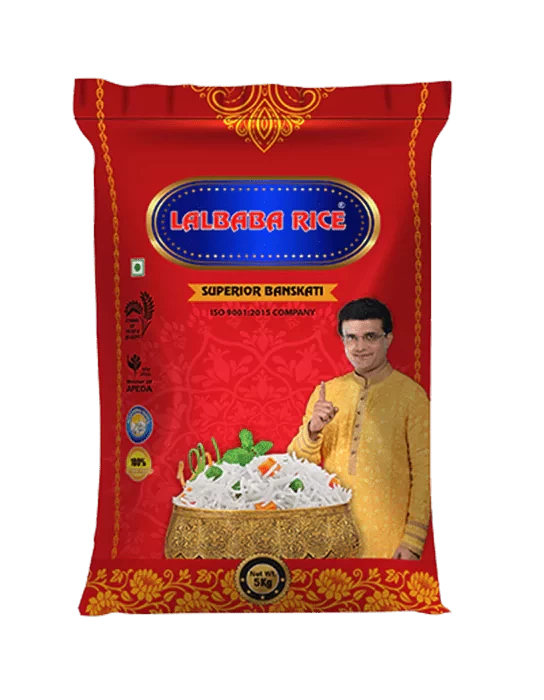 Lalbaba Superior Banskati
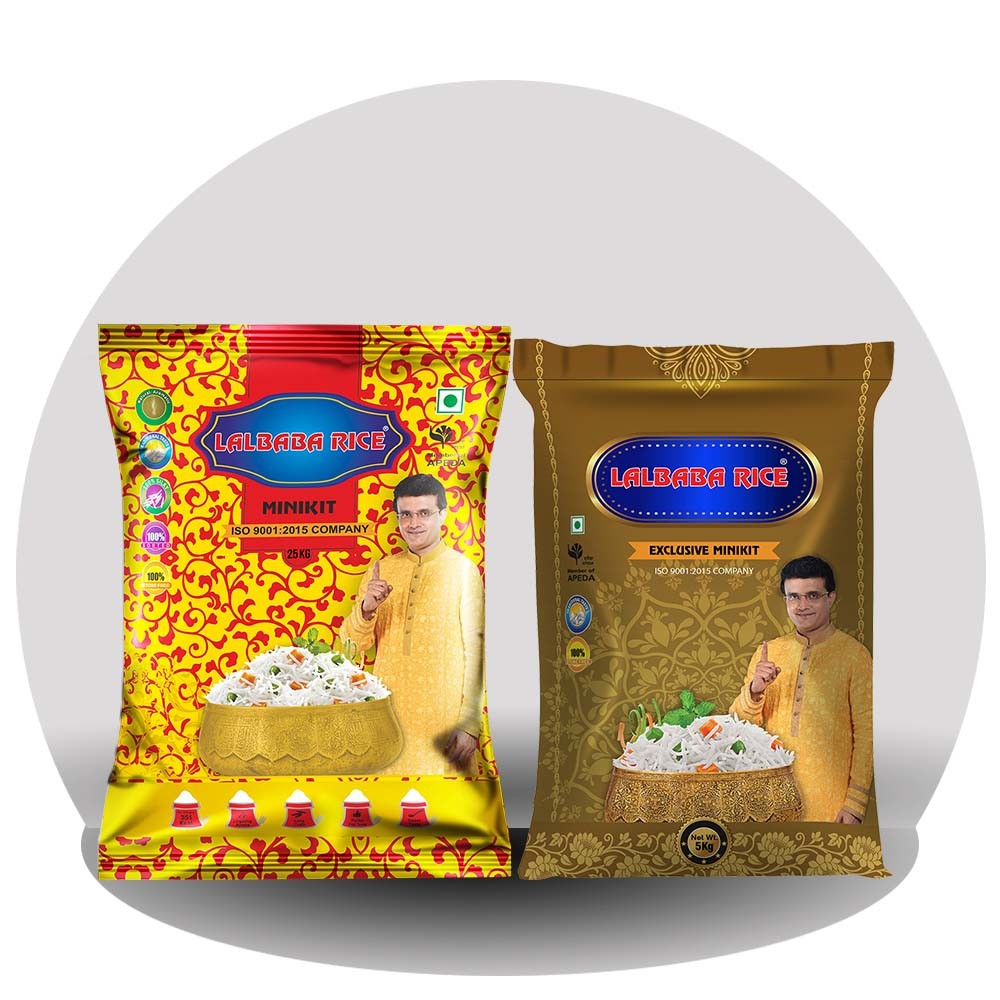 Minikit
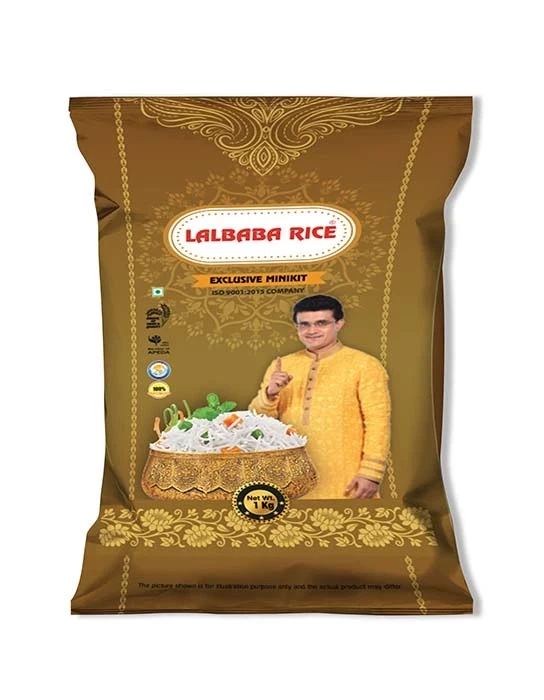 Lalbaba Exclusive Minikit
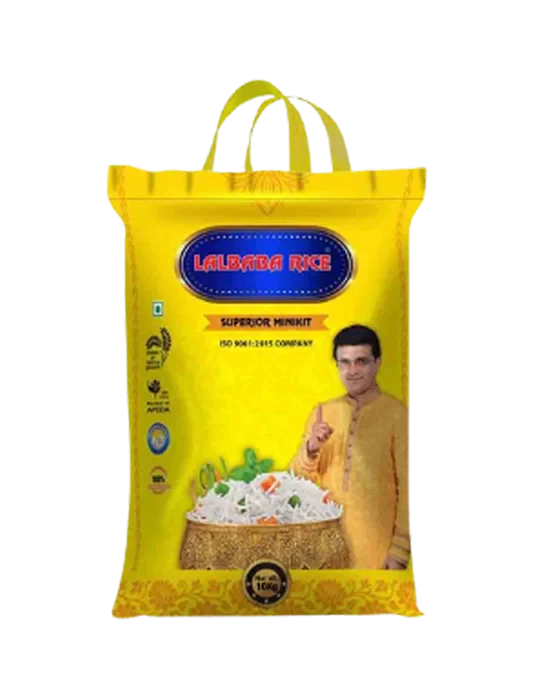 Lalbaba Superior Minikit
 Recipe Book
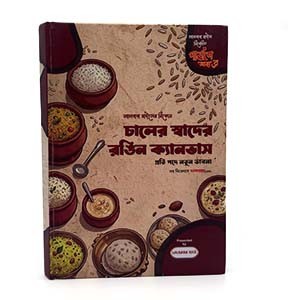 Recipe Book


Keep Your Rice Fresh: Smart Storage Tips to Prevent Spoilage
Mar 16, 2026
Rice Tips
Introduction: Why Proper Rice Storage Matters
Rice may look deceptively simple. Tiny grains. Neutral aroma. Quietly sitting in the pantry. Yet behind that modest appearance lies a culinary cornerstone of countless kitchens. From comforting bowls of steamed rice to fragrant festive dishes, rice plays a starring role in everyday meals.
But here is the catch: poor storage can quietly sabotage even the finest rice. Moisture creeps in. Aromas dissipate. Pests discover a free buffet. Before long, what once promised fluffy perfection becomes dull, stale, or worse—spoiled.
Good rice deserves better. With a few clever storage habits, you can preserve freshness, aroma, and texture for months without a hint of degradation.
Understanding the Enemy of Fresh Rice
Rice does not spoil easily, but it certainly does lose quality. Three invisible adversaries are responsible for most storage disasters: moisture, air, and pests.
Moisture is the chief culprit. Even a small amount can trigger mold growth or create an environment where bacteria thrive. Air, meanwhile, gradually oxidizes the grains, diminishing their delicate fragrance. Then come pantry pests—tiny invaders like rice weevils that treat improperly stored grains like a five-star hotel.
Knowing these threats transforms rice storage from guesswork into strategy.
Choosing the Right Storage Container
The humble storage container is more powerful than it looks. A well-sealed container acts as a fortress against humidity and insects.
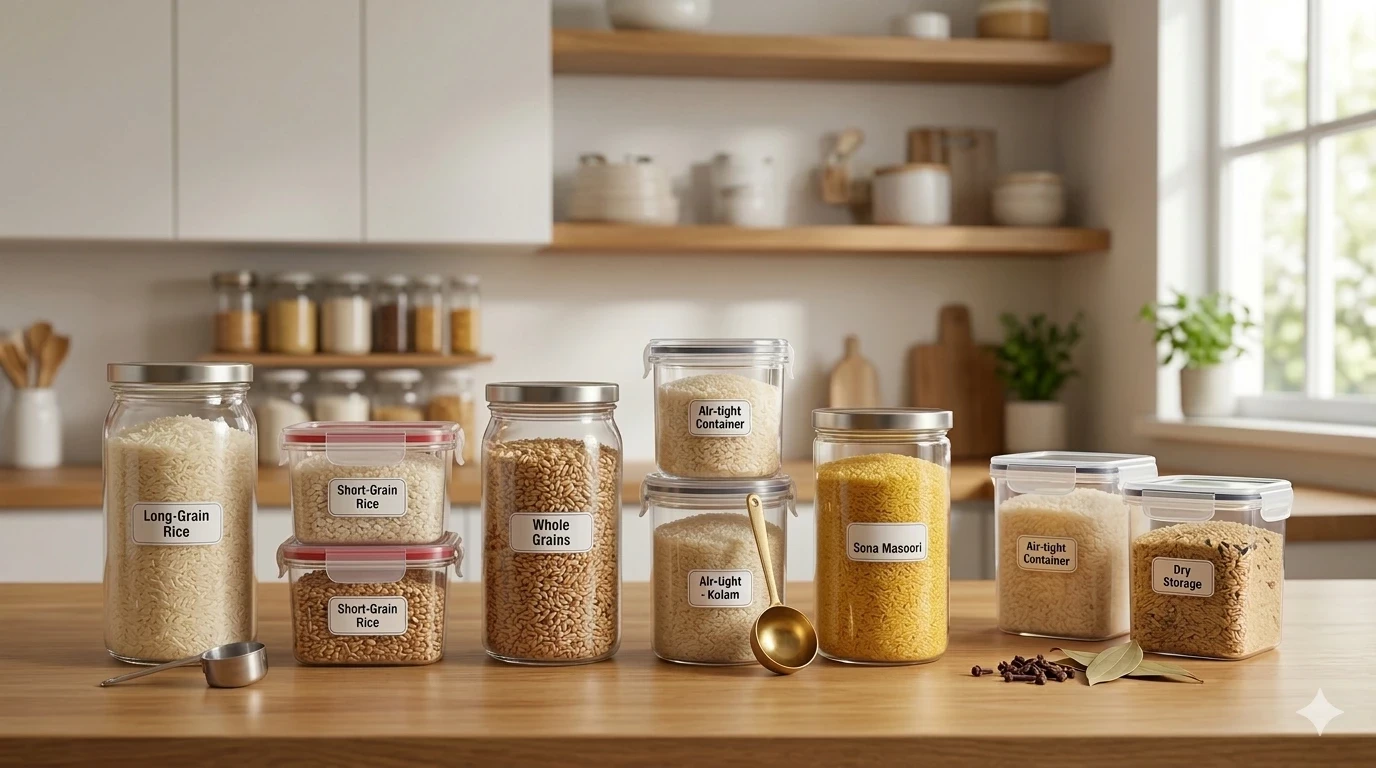
Opt for airtight containers made from glass, stainless steel, or food-grade plastic. Transparent containers have an additional advantage: they allow quick inspection without opening the lid and exposing the grains to air.
Large rice sacks from the store may be convenient, but leaving rice inside them invites contamination. Transfer the grains immediately. It is a small step with disproportionately large benefits.
The Ideal Storage Environment
Rice thrives in calm, cool conditions. Think of your pantry as a sanctuary rather than a storage dump.
Keep rice in a dry, shaded area away from sunlight and heat sources. Kitchen cabinets near ovens or stovetops may look convenient, but temperature fluctuations accelerate deterioration.
A stable environment—cool, dark, and dry—preserves the structural integrity of the grains. The result is rice that cooks evenly and retains its characteristic aroma.
Smart Pantry Organization for Rice
Organization is not merely aesthetic. It directly affects freshness.
Practice the simple principle of first in, first out. Older rice should be used before newly purchased stock. Label containers with purchase dates if necessary. It prevents forgotten bags from languishing in the back corner of the shelf.
Dedicated grain zones in the pantry also help. Keeping rice separate from strong-smelling foods ensures the grains do not absorb unwanted aromas.
Protecting Rice from Pests Naturally
Chemical deterrents are unnecessary. Nature provides subtle yet effective solutions.
Bay leaves, dried neem leaves, or cloves placed inside the container can act as gentle pest repellents. Their natural aroma discourages insects without altering the flavor of the rice.
Another professional trick involves freezing newly purchased rice for 48 hours before storing it in the pantry. This process eliminates any microscopic larvae that might have hitchhiked from the store.
Simple, discreet, and highly effective.
How Long Rice Really Stays Fresh
Contrary to popular belief, rice is not immortal.
White rice can remain fresh for up to two years when stored properly. Brown rice, however, contains natural oils in the bran layer, making it more delicate. Its ideal storage window is about six months.
Proper storage dramatically extends usability. Poor storage shortens it drastically.
The difference often lies in nothing more complicated than a lid.
Quick Storage Hacks Every Kitchen Should Know
A few small techniques can elevate rice storage from adequate to exceptional.
- Use airtight containers with silicone seals.
- Store rice in moderate portions rather than one enormous container.
- Add natural pest deterrents like bay leaves.
- Keep containers elevated from the floor to avoid humidity.
- Inspect grains periodically for signs of infestation or moisture.
- These micro-habits take seconds. Their payoff lasts months.
Conclusion: Preserve the Grain, Preserve the Flavor
Rice is humble, but its culinary impact is enormous. A perfectly stored grain cooks fluffier, tastes cleaner, and carries its natural aroma proudly into every dish.
Proper storage is not a chore. It is quiet kitchen wisdom.
Treat rice with a little respect—protect it from moisture, seal it away from air, and guard it against pests. In return, it will reward you with consistent freshness, meal after meal.
After all, great cooking begins long before the pot hits the stove. It begins in the pantry.
Recent Posts
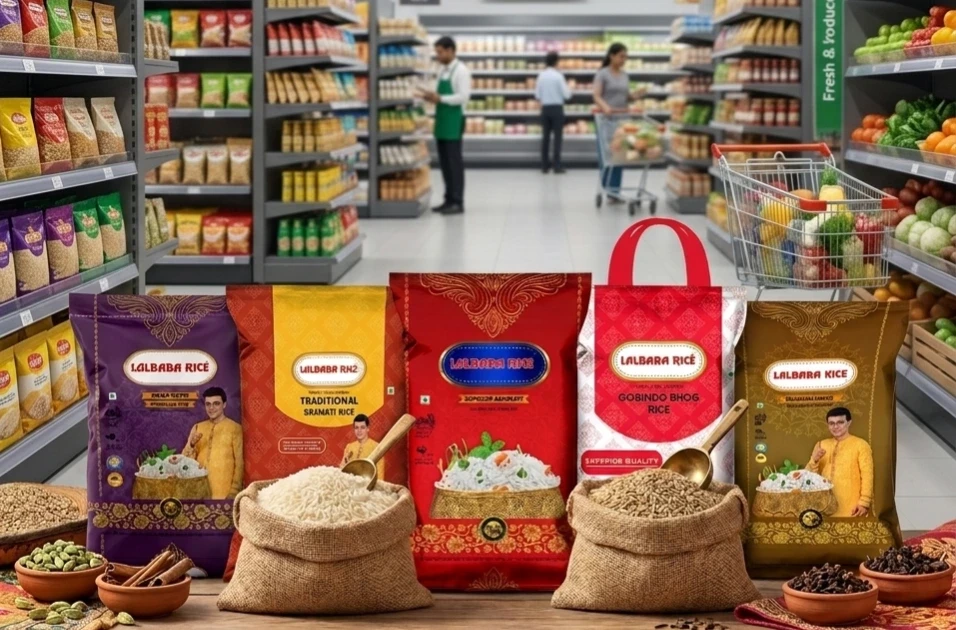

5 Reasons Why Lalbaba Rice is the Best Choice for Healthy and Flavourful Meals
Mar 17, 2026
Rice Tips